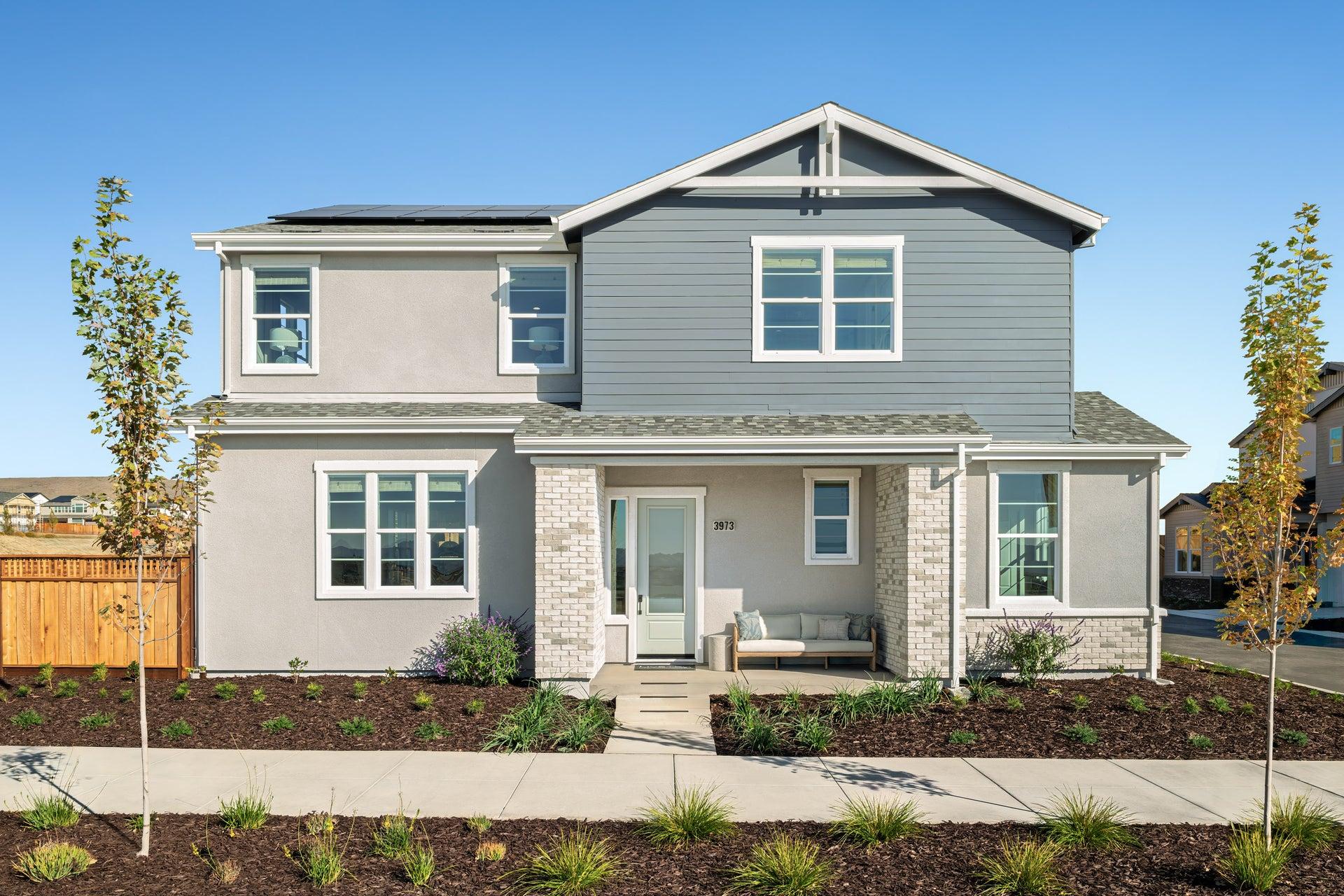
Buying New Construction in Dublin, CA: 7 Things to Check Before You Buy
Buying a newly built home in Dublin, California, can be appealing if you want modern finishes, a contemporary floor plan, and the opportunity to choose certain design features. But a brand-new home is not automatically the better financial decision.
Before signing a builder contract, look beyond the advertised price. Property taxes, special assessments, homeowners association (HOA) dues, upgrade packages, financing terms, and construction timelines can all affect your total cost and ownership experience.
If you're comparing new construction with resale homes in Dublin or elsewhere in the Tri-Valley, these seven checks can help you make a more informed decision.
Quick Answer: What Should You Check Before Buying a New Construction Home?
Before committing to a newly built home, review the complete purchase agreement, estimate your total monthly ownership costs, investigate property-specific taxes and assessments, compare the included features with the upgrade costs, and understand your inspection and warranty options.
The California Department of Real Estate advises homebuyers to evaluate affordability, understand their purchase contracts, consider inspections and contingencies, and review the disclosures applicable to their transaction. New subdivision purchases may involve a public report as well. Read the California DRE's homebuyer guidance.
These checks are especially useful when comparing a builder's advertised price with an existing home that may have a different tax structure, HOA arrangement, lot, or level of included improvements.
1. Calculate the Full Monthly Cost of Ownership
The advertised purchase price is only the beginning of your budget. Two homes with similar prices can have meaningfully different monthly costs because of their financing, property taxes, insurance, HOA dues, and other obligations.
Before making an offer, estimate:
Principal and interest on your mortgage.
Property taxes and any applicable special assessments.
Homeowners insurance.
HOA dues, if applicable.
Utilities and routine maintenance.
Any additional costs associated with the property's location or community.
Ask for the information needed to estimate the actual property tax bill for the specific home. Do not assume the standard property tax rate alone captures every applicable charge.
The City of Dublin publishes housing development fee and tax transparency information, including information about applicable fees and special taxes. Its official resources are a useful starting point when investigating a new development. Review Dublin's housing development fee and tax information.
Have your lender, escrow professional, or tax adviser help verify the figures that apply to the particular property.
2. Investigate Special Taxes and Assessments
Some newly developed communities may be subject to special taxes or assessments in addition to regular property taxes. These obligations can affect the cost of ownership for years, so they deserve attention before you commit.
Ask the builder or appropriate public agency:
Which special taxes or assessments apply to this parcel?
What are the current amounts and payment schedules?
Are there separate community facilities district taxes?
Where can you review the applicable tax documents?
Are there other recurring charges that should be included in your budget?
Dublin provides public information about housing development fees and applicable special taxes. However, a citywide document does not establish which charges apply to every individual property.
Verify the specific parcel and development rather than relying on an estimate provided for a different home.
3. Read the Builder Contract Carefully
A builder's purchase agreement can differ from a standard resale transaction. It may address construction milestones, completion dates, deposits, change orders, included features, upgrade selections, and procedures for handling delays.
Before signing, identify the provisions that affect your financial exposure and ability to complete the purchase.
Pay particular attention to:
The purchase price and any conditions that could change it.
Deposit amounts, deadlines, and refund provisions.
The estimated completion date and how delays are handled.
Included appliances, finishes, landscaping, and other features.
The deadlines for choosing upgrades or approving changes.
Financing and appraisal provisions.
Inspection rights, contingencies, and dispute-resolution procedures.
Do not assume that a builder's sales representative can resolve every legal or contractual question. If you do not understand a provision, consult a qualified real estate attorney before signing.
A home that is still under construction also introduces timing uncertainty. If you must sell your current home, coordinate the expected completion date with your existing housing and financing arrangements.
4. Compare Standard Features With Paid Upgrades
Model homes are designed to showcase a finished product. The home you purchase may not include every feature you see during a tour.
Ask for a written specification sheet identifying what comes standard and what costs extra. Depending on the builder and floor plan, additional charges may apply to flooring, cabinetry, countertops, appliances, lighting, landscaping, electrical options, and other finishes.
Create a realistic budget before selecting upgrades.
| Item to compare | What to verify |
|---|---|
| Kitchen and bathrooms | Which finishes, fixtures, and appliances are included? |
| Flooring and lighting | What is standard, and what requires an upgrade? |
| Outdoor areas | Is landscaping, fencing, or other exterior work included? |
| Electrical and technology | Are the outlets, wiring, and other features you want included? |
| Structural options | Which changes are available, and by what deadline? |
Also consider whether a feature can be added later at a reasonable cost. Some choices may be easier or less expensive to make during construction, while others may not justify the builder's upgrade price.
The goal is not to avoid every upgrade. It is to understand the complete cost before deciding what you actually need.
5. Understand the HOA and Community Documents
If the home belongs to a common-interest development, review the HOA budget, governing documents, dues, restrictions, and responsibility for maintaining shared areas.
New communities may have amenities or shared facilities that appeal to buyers, but those features can come with ongoing expenses and rules.
Ask about the current dues, what they cover, whether any additional assessments are anticipated or documented, and what responsibilities remain with individual homeowners.
Review restrictions that could affect how you use the property, including applicable rules concerning exterior modifications and common areas.
Do not assume that a new HOA will remain inexpensive simply because the community is recently built. Review the available financial documents and understand the association's responsibilities before completing the purchase.
6. Arrange Appropriate Inspections and Review Warranty Terms
A newly constructed home has not been occupied in the same way as a resale property, but that does not mean you should skip an independent inspection.
Ask whether you can hire qualified inspectors at appropriate construction stages and before closing. Clarify access arrangements with the builder and make sure the inspection schedule fits the construction timeline.
Depending on the home, areas to evaluate may include:
Roofing, drainage, and exterior water management.
Electrical, plumbing, and heating and cooling systems.
Windows, doors, and visible finishes.
Grading, exterior surfaces, and accessible structural components.
Appliances and installed equipment.
California's construction defect framework provides certain protections for qualifying new residential construction. The California Department of Consumer Affairs explains the general procedures and the builder's opportunity to address qualifying construction defects. These rules are not a substitute for reviewing your actual contract and warranty documents. Read California's construction defect guidance.
Obtain the builder's written warranty information, understand how to submit service requests, and clarify any deadlines that apply. Ask which manufacturer warranties cover appliances and other installed products.
An inspection can identify concerns, but it cannot guarantee that every hidden or future defect will be discovered.
7. Compare New Construction With Resale Homes
A new home and an existing home can each make sense, depending on your budget, timeline, priorities, and tolerance for uncertainty.
| Consideration | New construction | Resale home |
|---|---|---|
| Condition | New materials and systems, but construction issues can still occur | Condition varies; maintenance and repair needs should be evaluated |
| Design choices | Some selections may be available during construction | Existing finishes may be ready to use or may need updating |
| Timing | Completion can depend on the construction stage and schedule | Move-in timing depends on the contract and seller's circumstances |
| Costs | Upgrade packages, special taxes, and HOA charges require review | Repairs, renovations, taxes, and HOA costs also require review |
| Negotiation | Depends on the builder, available homes, contract terms, and incentives | Depends on the seller, competing properties, and market conditions |
Neither option is automatically less expensive or a better investment. Compare the complete costs, property condition, location, and contractual terms.
If a builder offers a financing incentive, closing-cost assistance, or an upgrade package, calculate its actual value to you. Compare the terms with financing and purchase options available elsewhere, rather than judging the offer by its headline value alone.
Agent's Insight: Walter Akbar's Buyer Perspective
When I help buyers evaluate a property, I encourage them to compare the complete purchase rather than focusing exclusively on the list price or the appeal of a model home.
For a new construction purchase in Dublin, that means understanding the tax structure, reviewing the contract, comparing standard features with paid upgrades, and checking the monthly budget before becoming committed.
For a resale home, the same disciplined approach applies, with additional attention to the property's condition, repair needs, disclosures, and planned improvements.
My recommendation is to evaluate both options using the same financial framework. Once you understand the full costs and trade-offs, you can decide which home best fits your needs without relying on marketing claims or assumptions.
Frequently Asked Questions
Is buying new construction in Dublin more expensive than buying a resale home?
Not necessarily. The answer depends on the purchase price, financing, taxes, assessments, HOA dues, upgrades, and any repairs or improvements required. Compare specific properties and their full ownership costs.
Can I hire my own home inspector for a new construction home?
Ask the builder about access, timing, and any applicable procedures, and review your contract. An independent inspection can help identify concerns before closing, but the permitted timing and process should be confirmed for your particular purchase.
Are HOA dues and special taxes included in the advertised home price?
Do not assume they are. Request the applicable HOA information and parcel-specific tax and assessment details, then include them in your budget.
Should I use the builder's preferred lender?
Compare the complete financing terms. A builder-affiliated lender may offer incentives, but you should evaluate the interest rate, fees, loan terms, closing costs, and conditions against other available options.
Planning to Buy a Home in Dublin?
Whether you're considering a new development or an existing property, a well-informed purchase starts with understanding the costs, contract terms, and trade-offs before you commit.
For personalized guidance buying or selling a home in San Ramon, Danville, Dublin, Walnut Creek, Alamo, Pleasanton, or Livermore, contact Waleed "Walter" Akbar at (510) 541-1610 or visit Walter Akbar's real estate website.
With more than 20 years of real estate experience, Walter helps buyers evaluate their options, compare properties, and navigate the decisions involved in purchasing a home.